
Buying & Mortgage Planning · August 27, 2026
By James Park · Verico Paragon MortgagePal Inc. · 3 min read

Real estate has long been one of the most reliable pathways to building generational wealth in British Columbia. For many local families, purchasing a secondary property—whether a basement suite, a Burnaby condo, or a townhouse rental—represents a cornerstone of retirement planning. However, securing rental property mortgages Metro Vancouver requires a different playbook than buying your primary residence.
Lenders look at investment properties through a unique lens, evaluating rental income offsets, debt service ratios, and tax implications. As your mortgage broker, I help investors navigate these rules smoothly so you can expand your portfolio with confidence.
How Lenders Assess Rental Property Applications
When you apply for a mortgage on an investment property, lenders do not just look at your personal T4 income. They also examine the potential rental income generated by the property. Typically, lenders will use a percentage—often 50% to 80%—of the gross prospective rent to offset the mortgage payment, property taxes, and condo fees.
Furthermore, qualifying for a rental property requires a higher down payment compared to an owner-occupied home, usually starting at 20%. Understanding how to structure your personal assets and existing home equity to fund that down payment is where professional broker guidance makes all the difference.
Step-by-Step Roadmap for Property Investors
Building a profitable real estate portfolio in Metro Vancouver calls for a disciplined approach:
- Review your current financial standing and calculate your available home equity.
- Secure your five-step illustration at free intake for me to review to determine your exact purchasing power.
- Partner with a local realtor to identify properties with strong rental demand and positive cash-flow potential.
- Work with me to line up a competitive investment mortgage product tailored to your tax and income profile.
- Close the purchase, place quality tenants, and watch your long-term equity grow.
Comparing Primary Residence vs. Investment Mortgages
| Feature | Primary Residence | Investment Property |
|---|---|---|
| Minimum Down Payment | As low as 5% | Generally 20% |
| Mortgage Default Insurance | Required if down payment is under 20% | Not available through standard high-ratio channels |
| Rental Income Consideration | Not applicable | Used to help qualify for the loan |
To see how managing your overall debt can accelerate your investing goals, explore our financial strategies at jamespark.ca/burn-my-mortgage.
Frequently Asked Questions
Can I use the equity in my current home to buy a rental property? Yes, many investors use a home equity refinance on their primary residence to fund the down payment for an investment property.
How much rental income do lenders actually count? Most lenders factor in 50% to 80% of the gross monthly rent when calculating your qualification ratios.
Are mortgage rates higher for investment properties? Rates for rental properties can sometimes carry a small premium over owner-occupied rates, which is why shopping across multiple lenders is essential.
Where can I check my borrowing capacity for an investment property? You can visit free intake for me to review to get your free 2-minute Five-step illustration without any impact on your credit score.
Ready to build a secure financial future through real estate? Visit free intake for me to review to get your free 2-minute Five-step illustration and let's map out your investment mortgage strategy today.
Related mortgage resources
- Explore my free intake for me to review to see where you stand with no obligation.
- Explore my refinancing options to compare ways to restructure your mortgage.
- Read Using a Home Equity Refinance in Burnaby to Clear High-Interest Debt for a related BC mortgage perspective.
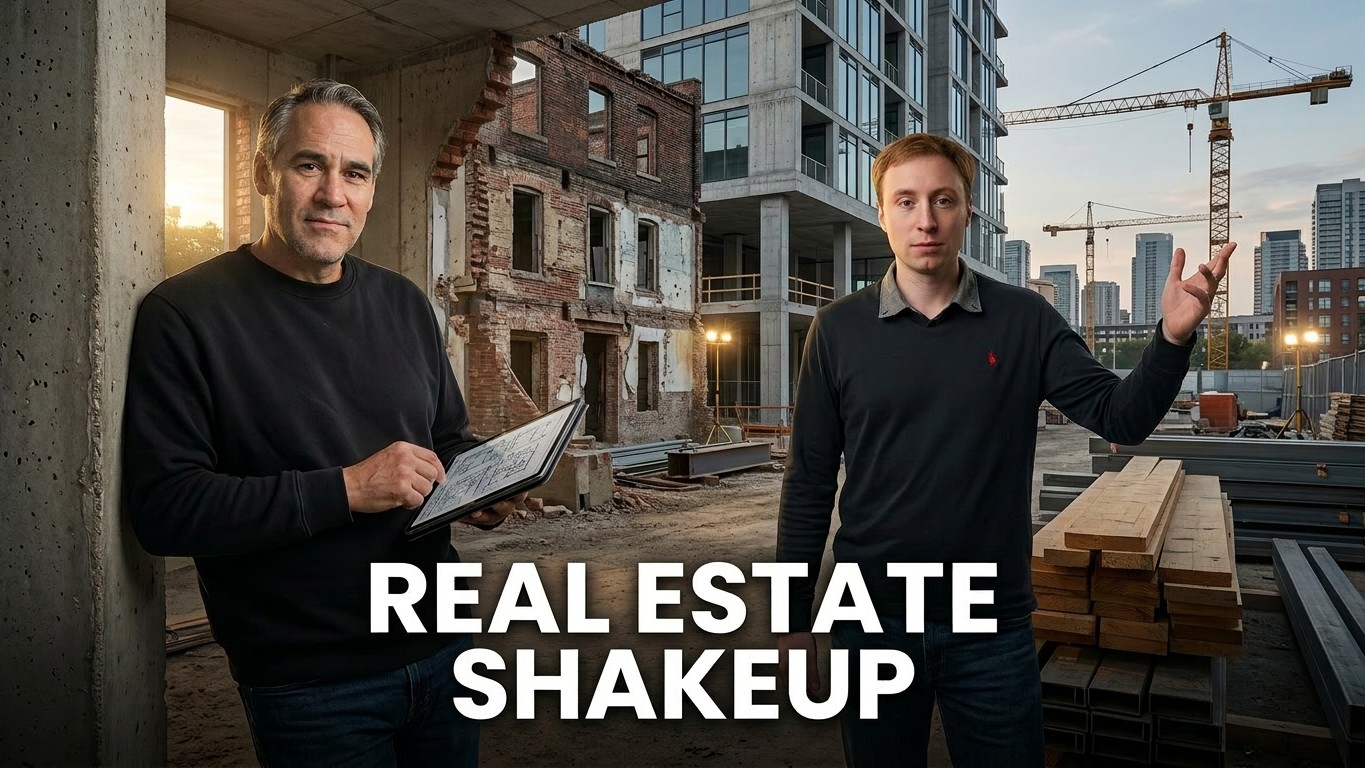
FREE WEBINAR
BC Real Estate Market Shake-Up — What Buyers Need Now
A focused BC real-estate conversation for buyers who want to understand the market shift, the trade-offs, and how to move with a stronger plan.
Watch the webinar →