Buying & Mortgage Planning · September 11, 2026
By James Park · Verico Paragon MortgagePal Inc. · 4 min read

Investing in rental real estate across Metro Vancouver—from Burnaby condos to Surrey townhouses—remains one of the most reliable ways to build long-term generational wealth. However, securing financing for investment properties differs significantly from buying a primary residence. Lenders evaluate rental income potential, stress-test your debt ratios, and require larger down payments. Having a clear mortgage roadmap helps local landlords navigate qualifying rules and scale their portfolios sustainably.
How Lenders Evaluate Rental Property Mortgages
When you purchase an investment property in British Columbia, lenders do not just look at your personal T4 income. They also analyze the income the rental property will generate. Typically, lenders will use a percentage of the projected rental income (such as 50% to 80%) and add it to your gross annual income, or offset the rental property's mortgage payment directly against the rental revenue. Because qualifying guidelines are strict, knowing how your lender calculates rental offset is crucial to maximizing your purchasing power.
Step-by-Step Mortgage Roadmap for Landlords
Building a successful rental portfolio takes disciplined planning. Follow these essential steps to keep your financing approvals smooth:
- Assess Your Personal Debt Ratios: Ensure your primary mortgage and other liabilities leave enough room under standard GDS/TDS ratios.
- Secure a 20% to 25% Down Payment: Investment properties require a minimum 20% down payment, and uninsured mortgages demand thorough income verification.
- Obtain Signed Lease Agreements or Market Appraisals: Lenders require an independent rental appraisal (Form A or market rent assessment) to factor rental income into the application.
- Structure for Future Growth: Work with a broker who understands portfolio lending so your second and third property purchases do not stall out.
Using the Offset Calculator for Investment Properties
Managing cash flow on rental properties is essential for maintaining profitability, especially when interest rates fluctuate. Our Offset Calculator demonstrates how keeping liquid cash offsets your mortgage principal balance, lowering your overall interest burden. While typically used for primary residences, understanding offset mechanics helps real estate investors visualize smarter ways to structure liquidity across their holdings.
Comparing Primary Residence vs. Investment Property Financing
Review the table below to see the key differences between buying a home to live in versus buying a rental property in Metro Vancouver:
| Financing Feature | Primary Residence | Investment Property |
|---|---|---|
| Minimum Down Payment | 5% to 10% (Depending on purchase price) | 20% (Non-negotiable for conventional) |
| Mortgage Default Insurance | Required if down payment is under 20% | Not available (Must be conventional un-insured) |
| Income Calculation | Based strictly on personal employment/business | Personal income plus qualifying rental offset |
| Interest Rates | Generally lowest tier available | Slightly higher tier (Premium for rentals) |
Using Free intake for me to review to Plan Your Portfolio Growth
Before making an offer on an investment property in Burnaby or Vancouver, you need to know exactly how much debt your portfolio can safely carry. Our Five-step illustration provides a fast, hassle-free way to test your numbers without impacting your credit score. It takes just two minutes to get your custom five-step illustration.
Frequently Asked Questions
Can I use rental income from my basement suite to qualify for a mortgage? Yes! If you are purchasing a primary home with a legal secondary suite or a legal basement rental in Burnaby or Vancouver, lenders will factor a percentage of that secondary suite income into your mortgage qualification.
What is the minimum down payment for a rental property in BC? In Canada, investment properties require a minimum down payment of 20%. Furthermore, if you are pulling equity out of your primary home to use as the down payment, lenders will scrutinize both properties' debt loads.
How does rental offset work on tax returns? Lenders typically look at Schedule 725 of your personal tax return or the signed lease agreement and market rent appraisal to determine how much rental income can offset the property's carrying costs.
Ready to expand your real estate portfolio in Metro Vancouver? Visit jamespark.ca to use our financial tools and secure your two-minute Five-step illustration today—no obligation required!
Related mortgage resources
- Explore my free intake for me to review to see where you stand with no obligation.
- Explore my mortgage offset calculator to see how your cash flow can work harder.
- Read How to Use the Offset Calculator to Cut Your Vancouver Mortgage Interest for a related BC mortgage perspective.
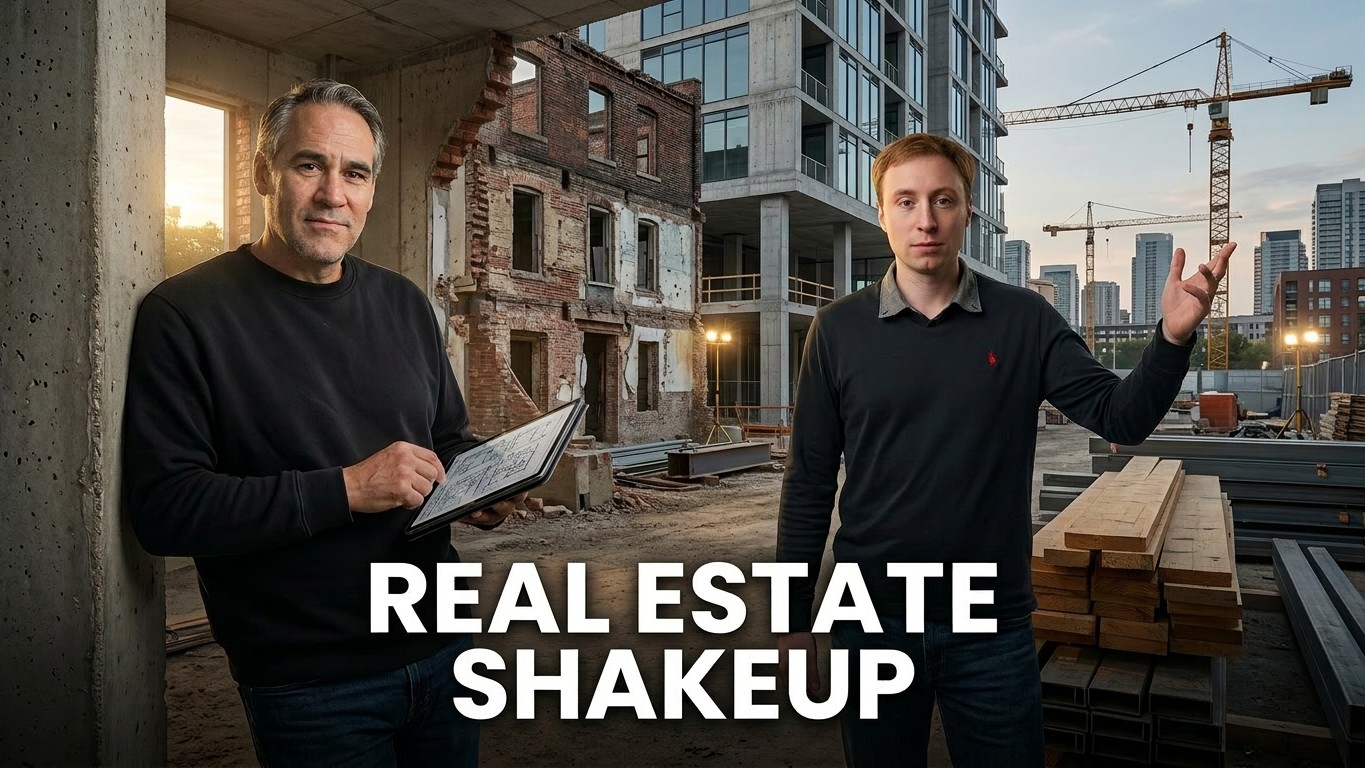
FREE WEBINAR
BC Real Estate Market Shake-Up — What Buyers Need Now
A focused BC real-estate conversation for buyers who want to understand the market shift, the trade-offs, and how to move with a stronger plan.
Watch the webinar →